Salusbury Road flat removals Queens Park narrow access tips

Moving a flat on Salusbury Road in Queens Park can feel simple on paper and fiddly in real life. Tight frontages, shared hallways, awkward stair turns, parking pressure, and the classic "just one more box" moment all add up. If you are looking for Salusbury Road flat removals Queens Park narrow access tips, you are probably trying to solve one thing: how do you move efficiently without blocking the street, damaging walls, or turning a moving day into a small local drama?
This guide breaks the job down in plain English. You will find practical access advice, planning steps, common mistakes, equipment suggestions, and a realistic look at what matters most in narrow-access flat moves. If you are weighing up help from a local team, services such as man and van support or a fuller home moving service can make a big difference when the stairs are tight and the kerb space is limited.
Let's face it, moving is rarely about boxes alone. It is about timing, route planning, and a bit of patience. The good news? Narrow access does not have to mean a stressful day.
Why Salusbury Road flat removals Queens Park narrow access tips Matters
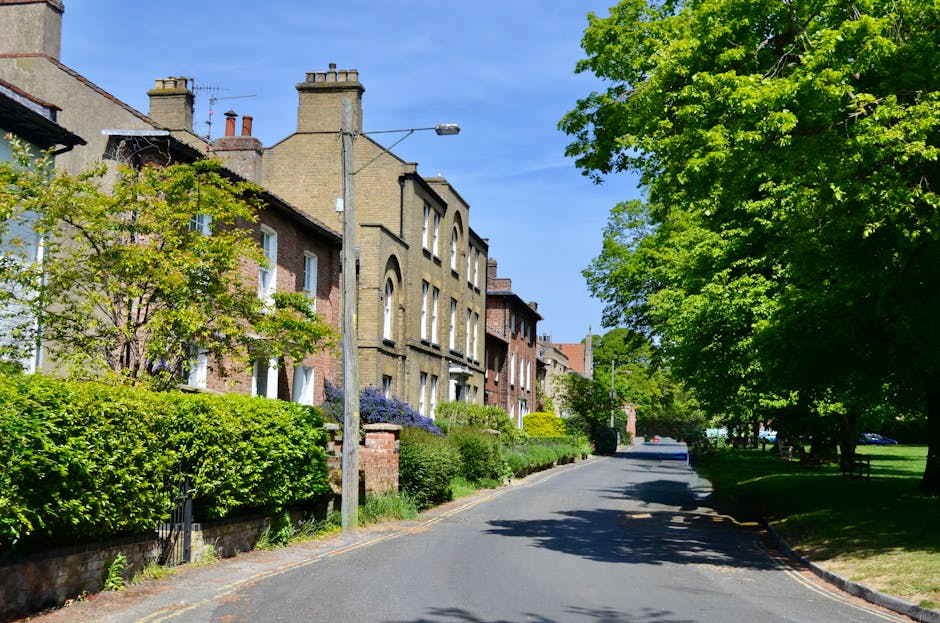
Salusbury Road and the wider Queens Park area are attractive for flat living, but that charm can come with practical constraints. Older buildings, shared entrances, and busy residential streets often mean access is narrower than people expect. Add a sofa, a mattress, or a tall wardrobe, and the geometry suddenly matters a lot.
The reason these tips matter is simple: narrow access changes how a move should be planned. A standard moving approach can work beautifully in a wider suburban driveway. In a tighter London setting, though, the smallest detail can cause delays. One parked car, one low ceiling on a stair landing, one doorway that is a touch tighter than expected - and your schedule starts to slide.
In our experience, most problems are not caused by heavy furniture alone. They happen because people underestimate where the item needs to go, not just how it will be lifted. That is why access checks are so valuable. They help you decide whether you need a smaller van, extra carrying hands, protective materials, or a more careful loading sequence.
Narrow access does not automatically mean a difficult move. It usually just means the move needs more planning than people first assume.
There is also the neighbour factor. On streets like Salusbury Road, a move that is organised and quick is much less disruptive. A sensible plan can help reduce hallway congestion, avoid keeping doors propped open too long, and keep everyone calmer. And, frankly, calm makes everything go smoother.
How Salusbury Road flat removals Queens Park narrow access tips Works
The idea behind narrow-access removals is to match the move to the space. Instead of forcing a large vehicle or bulky items through a route that is not really suited to them, you adapt the method. That can mean using a smaller van, splitting the load into more manageable trips, planning a clear path from flat to vehicle, and protecting surfaces on the way out.
A good move usually starts before the van arrives. The team should assess the likely pinch points: front steps, entry doors, internal stairwells, tight corners, low railings, basement access, loading distance, and whether the van can stop legally and safely nearby. If you have ever watched two people attempt to pivot a sofa around a narrow landing at a slight angle, you will know why this matters.
For flat removals in Queens Park, practical access planning often includes:
- checking stair width and landing space
- measuring large items before moving day
- booking the right vehicle size
- protecting walls, banisters, and door frames
- co-ordinating the loading order so the largest pieces leave first
- allowing extra time for street parking or short carries
The process is not dramatic. It is just organised. And that is half the battle.
If you need packing help as well as transport, a combined approach can be useful. Services like packing and unpacking support can reduce the last-minute scramble that often makes narrow-access moves harder than they need to be.
Key Benefits and Practical Advantages
Well-planned narrow access moving brings more than convenience. It improves control. When the access route is understood in advance, you make better decisions about vehicle size, labour, timing, and the order in which things leave the property.
Here are the main benefits:
- Fewer delays: You spend less time discovering problems on the day.
- Lower damage risk: Measured items and protected surfaces reduce the chance of scuffs and knocks.
- Smoother neighbour relations: A tidy, efficient move is less likely to cause annoyance on a busy street.
- Better cost control: The right vehicle and crew can prevent extra trips or wasted labour.
- Less stress: You are not improvising while standing in a hallway with a sofa halfway out the door. Been there? Best avoided.
There is also a subtle but important advantage: confidence. When you know the access plan is realistic, the whole day feels more manageable. That matters more than people think. A move can be physically tiring, yes, but uncertainty is often the bit that drains you fastest.
If you are comparing services, it can help to look at how a provider handles route planning, property access, and narrow-space logistics rather than just asking about the van itself. A smart removals setup is often more about the crew than the lorry.
Who This Is For and When It Makes Sense
This topic is especially relevant if you live in, or are moving into, a flat on or around Salusbury Road where access is less forgiving than a modern purpose-built block. It is also useful if you are moving from a maisonette, a conversion, or a top-floor flat with narrow internal stairs.
You will probably benefit from these tips if you are:
- moving bulky furniture through shared stairwells
- dealing with limited parking outside the property
- trying to move quickly between tenancy dates
- organising a move without lift access
- handling fragile or awkward items in a compact building
- using a van service and want to avoid unnecessary carrying distance
It makes sense too if you are selling, buying, or renting in the area and need the move to happen around fixed times. In those situations, a clear plan can be the difference between a tidy handover and a messy, rushed exit.
Truth be told, narrow-access advice is not only for big moves. Even a small flat move can get awkward if the stairs are tight or the street is busy at the wrong moment.
Step-by-Step Guidance
Here is a practical way to approach a Salusbury Road flat move where access is tight. Keep it simple. Simple usually wins.
- Measure the awkward bits first. Check door widths, stair turns, corridor lengths, and the dimensions of your biggest items. A tape measure and a quick notebook note can save a lot of guesswork.
- Walk the route. Stand at the front door, look at the hallway, look at the stairs, and imagine carrying your largest item through each turn. If the route feels tight to you, it will feel tighter with a mattress in tow.
- Identify parking and stopping options. Decide where the vehicle is likely to wait and how far the carry will be. A short carry is usually far better than a long one, especially if you have several loads.
- Choose the right moving method. A small van, a man-with-van setup, or a larger removals vehicle may all work, but only one will suit your access conditions best.
- Prepare protection. Use door guards, blankets, stretch wrap, and floor runners if needed. A little protection goes a long way in a tight building.
- Pack in the correct order. Keep essentials and first-night items separate, and make sure the bulkiest furniture is ready to go first.
- Communicate clearly on the day. Let the movers know where the problem corners are. A five-second warning can save a wall corner from a nasty scrape.
- Allow margin. If you think the move will take two hours, plan for two and a half. If everything goes smoothly, brilliant. If not, you have breathing room.
If you are moving a full household rather than a single room, services such as man with van support can be a practical middle ground between a DIY lift and a larger-scale removals crew.
Expert Tips for Better Results
Here are the little details that tend to make the biggest difference in narrow-access flat removals.
Measure the item, then measure the route
This sounds obvious, but people often measure the sofa and forget the stair bend. Measure both. Also measure the height of light fittings and the width of the tightest turn. It is the turn that gets you, usually.
Strip furniture down before the crew arrives
Remove table legs, take doors off hinges where appropriate, and empty drawers. Lightening items is not glamorous, but it helps more than people expect. A dismantled wardrobe is much easier to manage than a fully assembled one that looks determined to stay in the flat forever.
Protect the route before the first lift
Lay down floor protection if the hallway is narrow or the surface is delicate. Banisters, corners, and freshly painted walls deserve attention too. In a tight space, one awkward pivot can leave a mark you will notice every time you pass it.
Move the heaviest items first
Large furniture tends to be the hardest part of the day, especially if access becomes more cramped once boxes pile up. Get the heavy pieces out while there is still room to manoeuvre.
Keep the building clear
Small flats can become cluttered very quickly. Keep bags, loose cables, umbrellas, and shoe racks out of the walkway. It is a tiny thing, but it stops ankles getting caught and reduces the general chaos.
One practical rule we always come back to: if an item feels "probably fine," give it one more check. That second look catches more issues than people realise.
Common Mistakes to Avoid
Narrow-access moves tend to go wrong in predictable ways. The good news is that most of them are avoidable.
- Assuming the van can stop right outside. That may not be realistic on every part of Salusbury Road.
- Not measuring the staircase properly. A landing that looks generous can still be awkward with a mattress or fridge.
- Packing too much into one item. Overfilled boxes are harder to carry and more likely to split.
- Leaving dismantling until the last minute. Tools go missing, screws get separated, and the move slows down.
- Ignoring fragile surfaces. Narrow spaces put pressure on corners, frames, and skirting boards.
- Starting too late in the day. If access is tricky, a morning start often works better than trying to rush through in the evening.
There is also a quieter mistake: not being honest about difficulty. If the sofa is tight in the hallway, say so. If the lift is out of order, say so. If the parking situation looks uncertain, say so. Movers can work with awkwardness. They cannot work with surprises that arrive halfway through the first lift.
Tools, Resources and Recommendations
You do not need a van full of specialist kit for every move, but a few practical tools make narrow access work much better.
| Tool or Resource | Why it helps | Best use case |
|---|---|---|
| Measuring tape | Confirms whether furniture and routes will actually fit | Before booking the move |
| Furniture blankets | Protects corners, finishes, and tight hallway contact points | Large or fragile items |
| Stretch wrap | Helps hold drawers shut and keeps loose parts together | Cabinets, drawers, shelves |
| Door and floor protection | Reduces damage in narrow routes and shared areas | Older flats and tight corridors |
| Small moving van or man and van service | Often easier to position near tight residential streets | Restricted access or limited parking |
For larger household moves, a broader service such as removal truck hire or a dedicated moving truck option may be more suitable, but only if the street access and loading space genuinely allow it. Bigger is not always better here. Sometimes it is just bigger.
If you have items to get rid of before or after moving day, supporting services such as furniture pick-up or mattress and sofa disposal can keep the flat clear and reduce the number of objects that need to pass through tight spaces.
Law, Compliance, Standards, or Best Practice
For a flat move like this, compliance is mostly about safety, access, and good practice. You do not need to turn the whole thing into a legal event, but there are a few sensible standards worth respecting.
First, parking and stopping arrangements should be handled carefully. In a busy London area, blocking traffic or obstructing access can quickly create problems. Plan for legal parking, loading space, or a realistic short carry from the vehicle. If you are unsure, choose the safer option rather than the bravest one.
Second, shared buildings deserve care. Communal hallways, stairwells, and entrances should be used responsibly. Avoid leaving doors wedged open for long periods, and keep routes clear for residents. That is basic courtesy, and it also reduces risk.
Third, lifting and carrying should follow sensible manual-handling practice. Heavy items should be lifted with care, using enough people for the weight and shape involved. If an item is too awkward, dismantling it is often smarter than muscling through. A back injury is a terrible souvenir from moving day.
You should also check that your chosen provider has appropriate insurance and safety procedures. That does not mean accidents are impossible. It means the work is being done within a sensible framework, which is what you want.
Where waste disposal is involved, use proper methods for unsuitable or bulky items. For example, appliances and hazardous materials should be handled separately and responsibly. If you need help with waste-linked jobs, services such as hazardous waste disposal should be used only for materials that genuinely require that treatment.
Options, Methods, or Comparison Table
Different moving methods suit different kinds of access. A lot of people default to the biggest van available, but that is not always the smartest choice. Here is a straightforward comparison.
| Method | Best For | Pros | Limitations |
|---|---|---|---|
| DIY van hire | Small move with flexible timing | Can be cost-conscious, full control over timing | You do the lifting, parking, and planning yourself |
| Man and van | Flat moves with awkward access or limited furniture | Flexible, practical, often easier in tight streets | May not suit very large homes or multi-load moves |
| Full removals crew | Larger or more complex household moves | More hands, more structure, less personal lifting | Needs clear access planning and can cost more |
| Hybrid approach | Mixed move where some items are moved separately | Flexible and often efficient for flats | Requires good organisation to avoid confusion |
In a place like Salusbury Road, the hybrid or man-and-van route often makes practical sense for flats with difficult access. Not always, but often. The key is matching the method to the building, not just the item count.
Case Study or Real-World Example
Imagine a top-floor flat near Salusbury Road with a narrow internal staircase, a medium-sized sofa, a bed frame, and several boxes of books. On paper, not a huge move. In practice, the staircase turns sharply halfway up, and street parking is limited during the morning school run.
A sensible plan would look something like this:
- measure the sofa and bed frame in advance
- dismantle the bed before the crew arrives
- reserve the route closest to the front entrance for the carry-out
- use blankets on the sofa edges and wall corners
- start with the bulkiest furniture before the hallway fills up
- keep books in smaller boxes so they remain manageable on stairs
What tends to happen in a move like this is not drama, but small wins. One person guides the sofa around the landing. Another spots the banister. Someone keeps the boxes stacked away from the doorway. And suddenly the job that looked difficult becomes, well, just a job. A slightly sweaty one, to be fair.
That is the real lesson: narrow access moves are often won by preparation rather than force.
Practical Checklist
Use this checklist the day before and the morning of your move. It is simple, but it catches the things people forget when the kettle is on and the boxes are everywhere.
- Measure the largest furniture items
- Check stair width, landings, and doorway clearance
- Confirm where the van can safely stop
- Tell the team about any tight bends or low ceilings
- Dismantle beds, tables, or shelving if needed
- Pack fragile items separately and label them clearly
- Keep hallways clear of shoes, bags, and loose items
- Protect walls, doors, and floors where contact is likely
- Set aside keys, documents, chargers, and essentials
- Have water and basic snacks ready, because moving day is long enough already
Practical summary: if access is tight, do not rely on optimism. Measure, protect, simplify, and leave some room in the schedule. Those four habits do more for a smooth move than fancy gear ever will.
Get a free quote today and see how much you can save.
Conclusion
Salusbury Road flat removals with narrow access do not have to be a headache. They just need the right kind of attention. When you think ahead about measurements, parking, stair turns, and item size, the day becomes far more manageable. You are not trying to make the flat bigger. You are making the move smarter.
If you want a calmer experience, focus on three things: accurate access checks, a suitable vehicle or crew, and clear communication on the day. Those are the basics, and the basics matter. In a tight Queens Park street, they matter a lot.
And once the last box is in, the kettle is out, and the flat starts to feel like home again, you will be glad you planned properly. That small bit of extra care goes a long way.
Frequently Asked Questions
What makes Salusbury Road flat removals tricky?
The main challenge is narrow or awkward access: tight staircases, limited parking, shared entrances, and small turns that make bulky furniture harder to move safely.
How do I know if my sofa will fit through the stairs?
Measure the sofa, then measure the stair width, landings, and the tightest turn. If the route is close on paper, it will feel even tighter on the day.
Is a man and van service better than a big removals truck for a flat move?
Often, yes, for narrow-access flats. A smaller vehicle can be easier to park and more practical for short carries, though larger moves may still need a bigger crew.
Should I dismantle furniture before moving day?
Usually, yes, if the furniture is bulky or awkward. Beds, tables, shelving, and some wardrobes are much easier to move when taken apart first.
What should I tell the removals team before the job starts?
Share the stair layout, parking issues, any low ceilings or tight corners, and whether there are items that are particularly heavy, fragile, or hard to carry.
How early should I book a flat removal in Queens Park?
As early as you can, especially if your access is tricky or your dates are fixed. More notice gives you a better chance of getting the right vehicle and crew.
Can I move on a narrow street without blocking traffic?
Often you can, but it depends on the exact section of street and the time of day. The safest approach is to plan a legal stopping point and allow enough time for loading.
What is the best way to protect walls and banisters?
Use furniture blankets, door protection, and careful spotting around corners and stair turns. In tight spaces, protection is worth the effort.
Are packing services useful for narrow access moves?
Yes, they can be. Well-packed boxes and pre-dismantled furniture reduce the time spent in tight hallways and make loading much smoother.
What if my move includes bulky items I do not want to keep?
It is often worth arranging disposal or pick-up separately so the move itself is less crowded. That can make the route clearer and reduce lifting on the day.
How can I make moving day less stressful in a flat with tight access?
Keep the route clear, label boxes clearly, start early, and accept that a little extra time is part of the process. Calm planning makes a bigger difference than people expect.
Do I need insurance for flat removals?
It is sensible to check that your mover has appropriate insurance and safety procedures. It gives you more confidence if something unexpected happens.
What is the biggest mistake people make with narrow-access moves?
Probably underestimating the route. People measure the items and forget the stair bends, parking distance, and hallway corners. That is where the headaches begin.
Contact the team if you want to talk through a move with difficult access, or use online booking when you are ready to lock in a date. A quick conversation can save a lot of guesswork, and sometimes that is all you need to get moving.